Person-Centred Care: How Care Plans Honour Your Identity

Person-centred care is an approach that can be applied in any type of care, whether it’s in a care home, at-home care or another healthcare service. As the name suggests, person-centred care is tailored to the unique needs and preferences of the individual, and is a term used by many organisations to describe a high-quality service.
If you’re looking into care homes or other types of support, you might be wondering how you can be sure that you or your loved one will receive person-centred care; this is where care plans come into play. In this blog post, we’ll be looking at what is meant by the term person-centred care, why it is important and how care planning can help ensure quality care.
What is Person-Centred Care?
The definition of person-centred care can sound vague or confusing, but it tends to follow a set of key principles that you can look out for when searching for care.
Rather than using a one-size-fits-all approach, carers will consider the needs, preferences and values of the person and think about how each action they take affects their physical, mental and emotional wellbeing. Each individual is treated with dignity and respect, and their personality is seen before their diagnosis. It aims to cut through any unnecessary processes that may not benefit the person and take a more tailored approach.
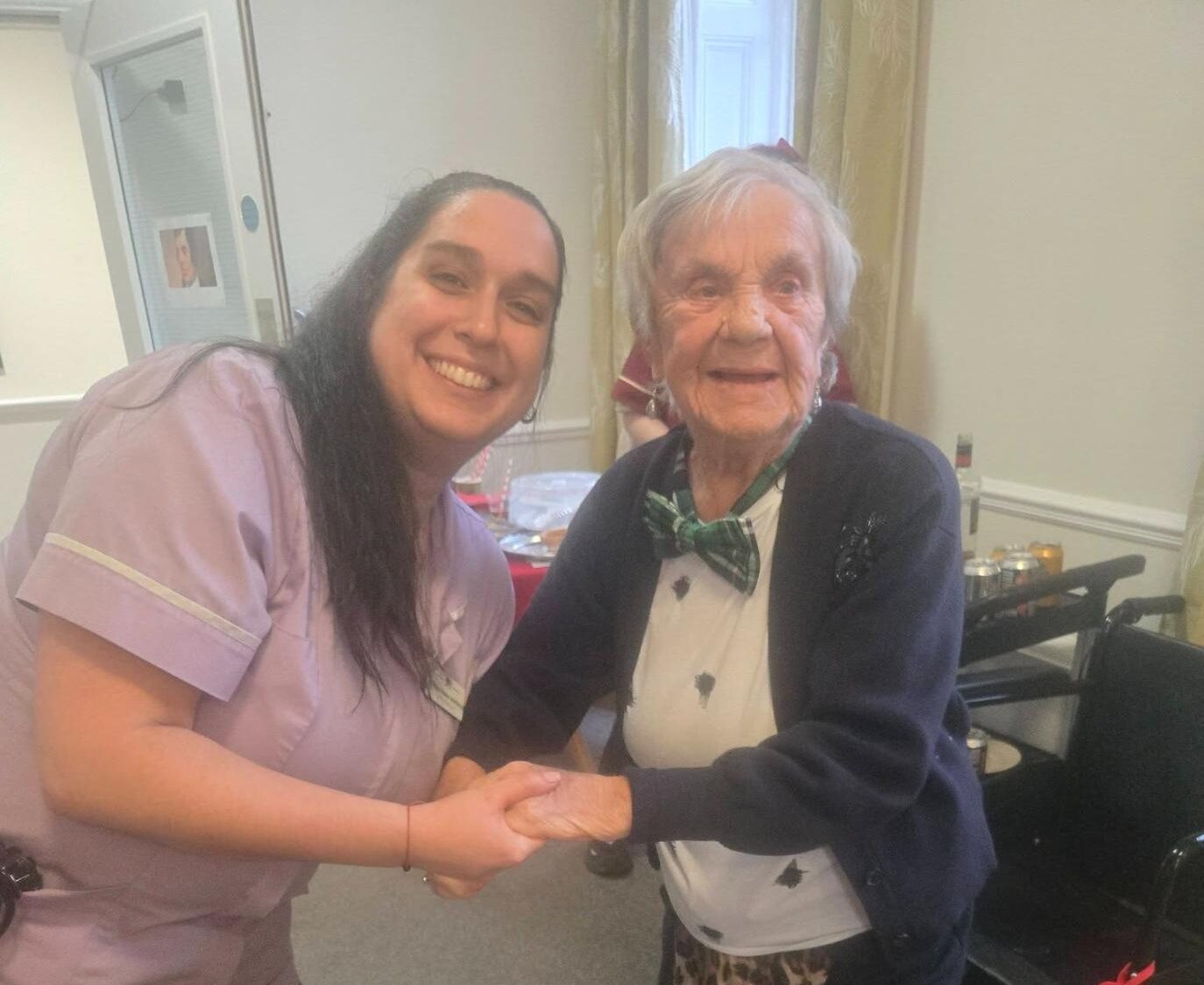
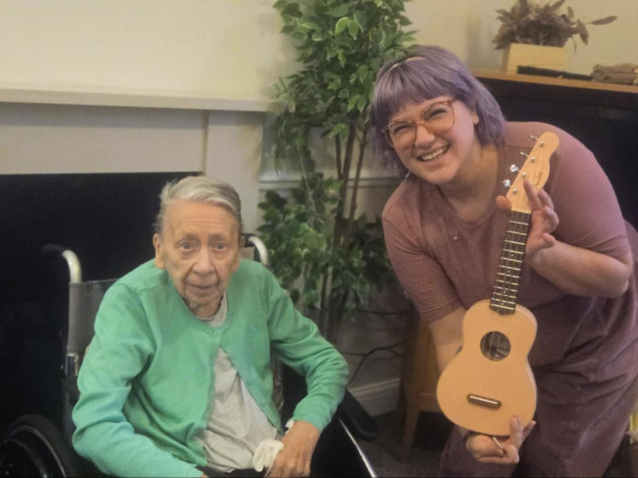
Carers will take the time to get to know each individual personally and understand the life history, culture and spirituality that is important to their identity. Their preferences in terms of treatment and communication will be taken into account, but also their everyday likes, dislikes, interests and hobbies. This can include things as small as their favourite meals or how they prefer to spend their time. This helps carers give people the opportunity to socialise with like-minded people, take part in activities they enjoy and try new things within their comfort zone.
Another essential part of person-centred care is family involvement, keeping the individual’s loved ones updated with all changes to the person’s health and preferences.
Why is Person-Centred Care Important?
There is a good reason why person-centred care has become the standard among healthcare providers in recent years. At its heart, this approach recognises that each individual is unique, with their own preferences, values and needs, and it ensures that care is shaped around the person rather than their condition.
Person-centred care makes people aware of the clinical decisions being made and actively considers their input. Everything is explained using clear, accessible language so that individuals feel informed and reassured. By ensuring consent and choices are well-informed and fully understood, people are empowered to feel confident and involved in their own care journey.
Promoting Independence
It also helps people stay independent for as long as possible. When carers step in only when help is truly needed, rather than taking over simple tasks a person may still be able to do, individuals can maintain a sense of control in their daily lives. This approach supports improved self-esteem and helps people feel more confident in continuing to do the things they enjoy, which can be incredibly uplifting.
Care is naturally more responsive and respectful when it is guided by the individual’s input. This leads to a better quality of life and can even contribute to a longer, healthier life. When people feel heard and valued, they are more likely to engage positively with their care.
It also encourages individuals to take care of themselves, as this process is made easier and less daunting. With the right support and understanding, people feel more capable and motivated to manage their own wellbeing.
Caring for the Brain and The Body
The holistic approach of person-centred care means that every aspect of a person’s health is nurtured. This includes not only physical wellbeing, but also psychological and emotional support. By recognising the full picture of someone’s needs, care becomes more balanced, compassionate and effective.
Finally, person-centred care plans honour a person’s identity by treating them like an individual, not just another room number. Their preferences are listened to, and their mental, emotional, and spiritual wellbeing is cared for in every aspect of their support. This creates a reassuring environment where people feel respected, understood, and truly cared for.
Personalised Care Planning
A personalised care plan, also called a nursing care plan, is a comprehensive digital record of all decisions and relevant information about a person’s health and care. Care plans are an essential part of person-centred care, as they bring everything together in one place, clearly setting out the type of support you need and how that support will be given. It can also include helpful information about finances and the benefits a person may be able to receive, offering reassurance that all practical aspects of care are being considered.
Alongside a person’s health record, which outlines the treatments they have received and their diagnoses, a care plan goes further by capturing who they are as an individual. It documents a person’s likes, dislikes, interests and hobbies, ensuring that care feels personal and meaningful. This information can be used to support friendly conversation, to help introduce them to others in a care home with similar interests for socialising and to guide the planning of activities that they will genuinely enjoy.
Care plans give people control over their lives in a way that feels supportive rather than overwhelming. By clearly setting out preferences and needs, they help individuals remain involved in decisions about their care. This, in turn, helps them stay as independent for as long as possible, promoting confidence, dignity, and a reassuring sense of continuity in their daily lives.

How Do I Write a Care Plan?
If you’re moving into a care home, the care experts there will create a care plan with you and your loved ones, ensuring that you feel supported and involved from the very beginning. It's a good idea to think about what you want to be included in your care plan before the assessment, to make sure nothing that is important to you is missed. You can also contact social services through your local council to get a care and support plan. This can be a helpful starting point, although it will need to be regularly updated to remain fully effective and reflect any changes in your needs.
Care and Needs Assessments
If you’re having an assessment through the council, a care needs assessment will help identify the type of support you require. Similarly, if you’re caring for a loved one, a carer’s assessment will outline what help and support you can receive. For those not living in a care home or receiving professional home care, having a plan in place can be especially reassuring, as it provides clear information about who to contact with questions, the financial support you may be able to claim and what care options are available.
Updating Your Care Plan
A care plan is initially created in collaboration with the person receiving care, their loved ones, and a health and social care worker, such as a care expert at the care home they are moving into. This collaborative approach ensures that every voice is heard and that the plan truly reflects the individual’s needs and preferences. Once completed, the plan is shared with all relevant parties, including carers, GPs, social workers and other healthcare providers, helping to ensure seamless continuity between different types of care.
The plan is usually formally updated at least every 12 months, although a great care home will review it more regularly to keep it accurate and meaningful. For example, at St Margaret’s Care Home in Edinburgh, care plans are formally reviewed and updated every 6 months. In addition to these scheduled reviews, care staff should update the plan whenever needed to reflect changes in treatment, monitor new symptoms, or record any changes in preferences, no matter how small. This ongoing attention is especially helpful for people living with progressive conditions such as dementia, as it ensures their care continues to adapt in a supportive and responsive way.
Person-Centred Care Home in Edinburgh
At St Margaret’s Care Home in Edinburgh, we are proud to provide truly person-centred care that supports the overall wellbeing of every resident. Our dedicated and compassionate care team takes the time to understand each individual, ensuring that their preferences, routines and personal stories are at the heart of everything we do. Alongside this, our luxury facilities create a comfortable and enriching environment where residents can relax, socialise and enjoy daily life.
By combining high-quality care with a warm, supportive atmosphere, nurture all aspects of our residents’ wellbeing, helping every person feel valued, safe and at home. If you’re looking for exceptional, top-rated care homes in Edinburgh, please get in touch with our friendly team today, or see the magic for yourself and arrange a tour of our home. We can’t wait to meet you.