Why Social Activites, Outings & Private Transport Matter In Care Homes
Families often worry that a care home might feel isolating, yet the opposite proves true in modern care homes and thoughtful settings. This piece explores how purposeful socialisation through tailored activities, enriching outings and seamless transport keeps residents engaged, confident and genuinely happy.
Why Is Socialisation Imperative?
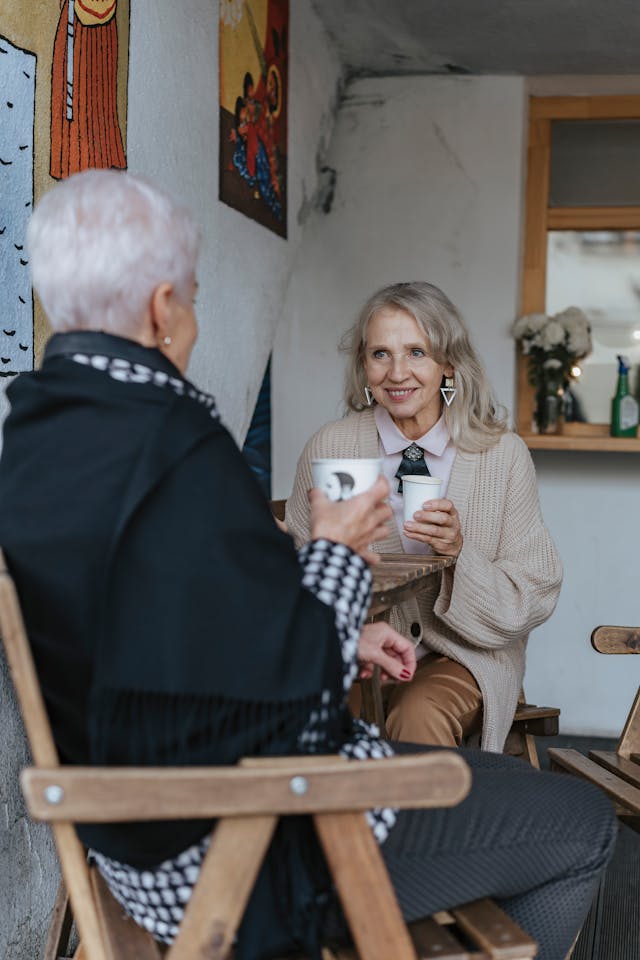
Loneliness poses one of the greatest threats to health in later life within care homes, as many arrive after losing spouses, friends or independence. Care homes counter this through intentional social care intertwined into daily routines. Communal lounges buzz with morning coffee chats that blossom into friendships, while afternoon gatherings spark laughter over shared tales. Staff and activity coordinators tailor interactions to personalities, matching lively group games to outgoing residents and serene corners to those seeking calm. Simple moments, like flipping through photo albums or singing cherished songs, unlock memories and forge bonds across generations.
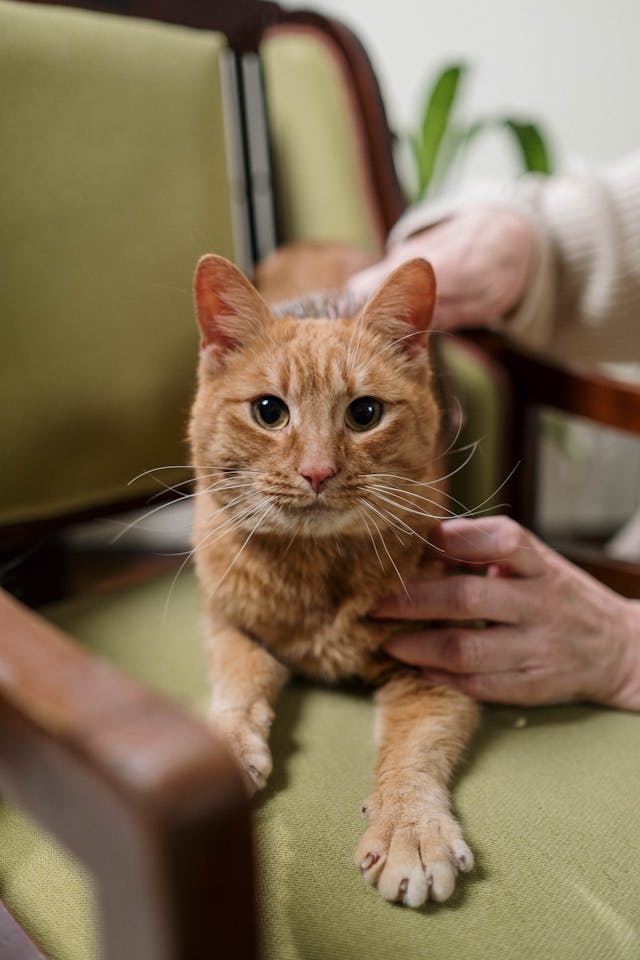
No resident slips into the shadows in a thoughtful care home. Each day brings personalised invitations to engage, from one-on-one talks with trusted carers to optional events celebrating unique histories. Staff gently encourage without pressure, noticing who lights up at music afternoons or thrives in pet therapy.
Activities Within A Modern Care Home
In home activities form the core of daily life in care homes, offering diverse engagement suited to all residents' abilities and needs, from residential to dementia care. These regular pursuits ensure everyone stays connected, building friendships and purpose without anyone feeling left out.
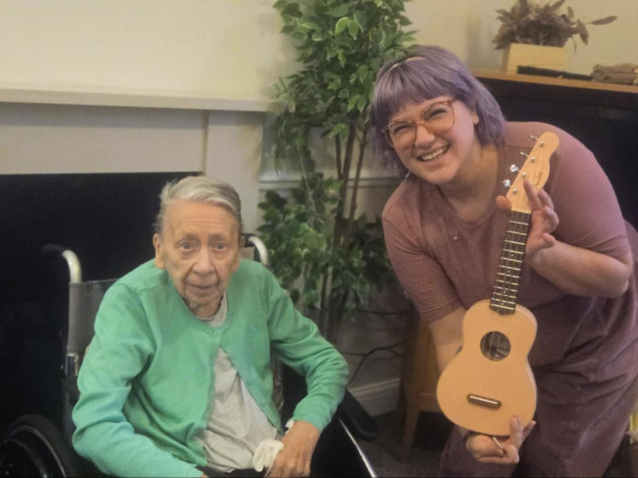
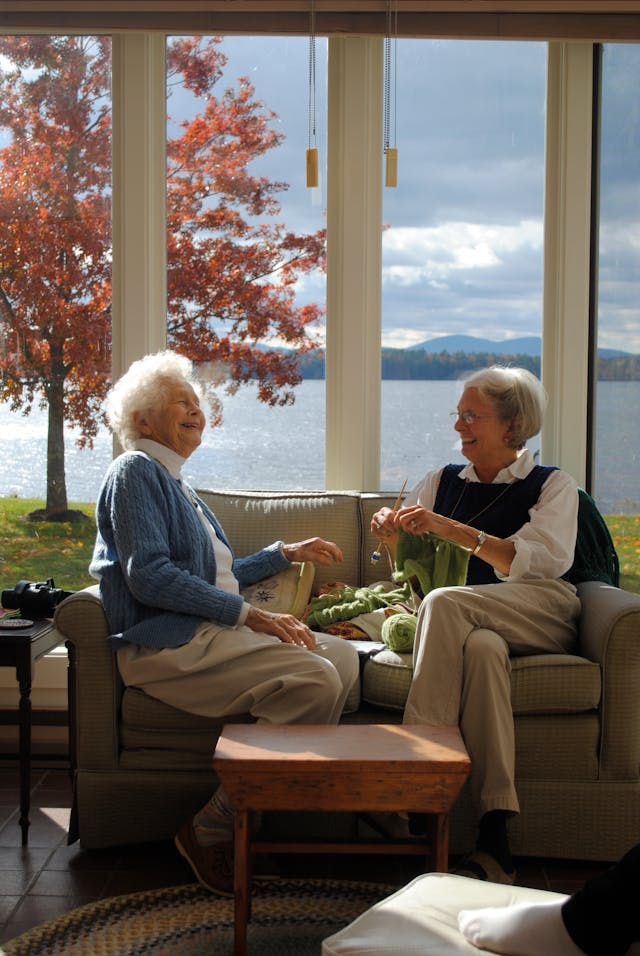
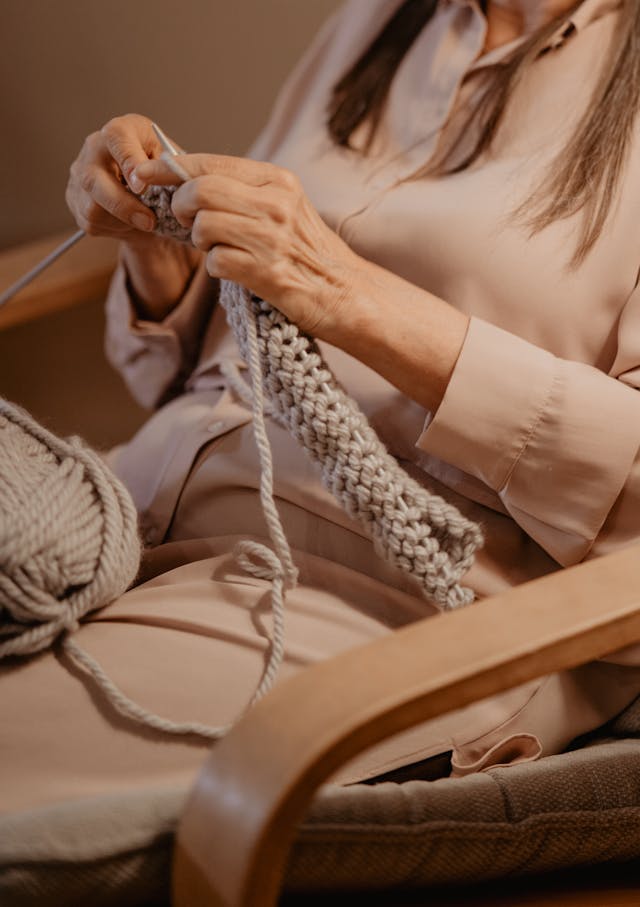
Activities such as seated exercises to upbeat tunes, can ease stiffness and boost energy for all, including wheelchair users. Knitting circles and baking sessions spark chatter over charity scarves or fresh scones, turning tasks into shared triumphs that fight isolation. Crafts like painting or wreath making fill cosy spaces, with displays sparking pride and peer compliments essential for confidence.
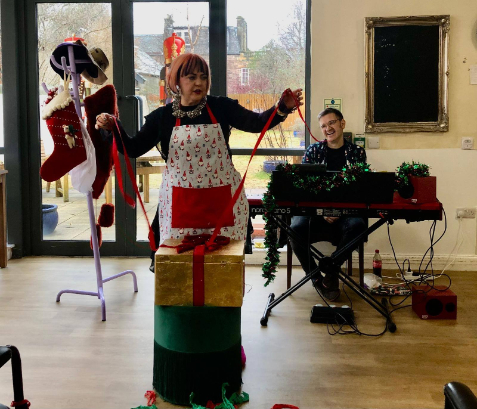
Quiz nights and brain games such as bingo, word searches or jigsaws provide gentle mental workouts, adapted for memory needs to encourage teamwork and laughter. Live sing alongs, magicians or choir visits bring communal joy, stirring memories through song and applause that deepen bonds. Nursery children drop in to read, sing or garden, forging heart warming intergenerational ties that remind residents of their wisdom.
Indoor games like skittles or reminiscence storytelling add playful evenings, unearthing laughs from old photos. These matter in care homes because they create reliable social rhythms, reduce loneliness, sharpen minds and restore dignity, transforming the home into a lively community where residents thrive together.
Staff personalise every offering, noticing who thrives with pet therapy dogs curling up nearby or gardening club tending raised beds. These home based joys build routine friendships, ease anxiety and elevate mood, proving that purposeful activity transforms a care home into a vibrant haven of belonging, all without stepping beyond the front door.
Outings Into The Local Community Via Private Transport Transform Care Home Life
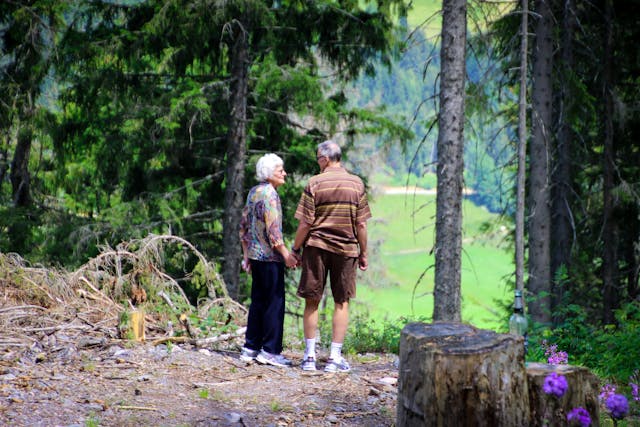
Outings hold profound importance in care home life, acting as a vital bridge between the familiar walls of the home and the wider world, helping residents combat the isolation that can so easily settle in later years. A change of scenery refreshes the mind and spirit, offering stimulation that no indoor activity alone can match. Imagine the simple joy of a group stroll through a local park, where fresh air fills the lungs, birdsong replaces routine chatter, and seasonal blooms prompt reminiscences of gardens long tended. These breaks from the everyday routine spark conversation back at the home, as residents share highlights over tea, strengthening bonds and giving them stories to savour. For those with dementia, familiar sights like a childhood high street or seaside promenade can pierce through memory fog, evoking comfort and identity when words fail. Physically, outings encourage gentle movement, improving mobility, balance and appetite, while emotionally they restore a sense of agency, proving life remains vibrant beyond four walls.


A care home with its own private transport elevates these opportunities from occasional treats to seamless realities, removing logistical barriers that often keep residents housebound. Families frequently worry about the hassle of hospital runs, therapy trips or family events, but a dedicated minibus or adapted car changes everything. Vehicles equipped with ramps, secure wheelchair fixings and comfortable seating ensure safe, dignified journeys tailored to individual paces, with trained drivers and escorts who understand mobility aids, anxiety or confusion. No waiting for public buses or relying on stretched family schedules; instead, spontaneous café visits, church services or garden centre explorations become feasible anytime. This reliability boosts confidence, as residents know adventure awaits without fuss, encouraging bolder participation. For nursing or dementia residents, familiar staff companions provide reassurance during travel, turning potential stress into calm enjoyment. Ultimately, private transport embodies a home's commitment to holistic wellbeing, weaving outings into daily life so residents not only survive but truly thrive, connected and alive in their community.
In Summary
In Scottish care homes, indoor activities, outdoor pursuits and private transport play essential roles in enhancing residents' wellbeing, combating isolation and preserving independence amid often challenging weather and rural landscapes. Indoor sessions like seated exercises, knitting circles, sing-alongs, quizzes and crafts provide reliable daily structure, fostering social bonds and mental sharpness regardless of rain or wind, which can limit mobility for frail older adults. These gatherings release endorphins, reduce depression risks and build community spirit, crucial in a nation where one in three over 65s report loneliness. Outdoor activities, from garden strolls to park visits, offer vital fresh air and nature connection, boosting vitamin D levels, circulation and mood, while evoking nostalgic Highland or coastal memories that ground those with dementia.
Private transport proves indispensable in Scotland's vast geography, with its mix of remote villages, island communities and busy cities. Adapted minibuses with ramps and trained escorts enable seamless hospital trips to distant NHS centres, family events or simple café outings, bypassing unreliable public buses or family scheduling strains. This reliability empowers spontaneity, restores autonomy and ensures no resident misses vital appointments or joys, transforming care homes into vibrant hubs of life rather than static retreats. Together, these elements create holistic enrichment tailored to Scottish life, where harsh winters demand indoor warmth yet year-round adventures keep spirits soaring.
If you would like to see what daily life looks like in our home, we would be delighted to show you around, introduce you to our team and share our latest activity programme. Get in touch to arrange a visit or ask any questions.