
Choosing a dementia care home for someone you love is a decision that takes a huge amount of trust. The right home should help your loved one feel safe, known and connected, while giving you confidence that their changing needs will be understood and supported. Taking time to compare your options, visit different homes and ask questions can help you make a decision that feels right for your whole family.
Choosing the Right Type of Care
One of the first things to consider is whether your loved one needs residential dementia care or nursing dementia care.
Residential Dementia Care
Residential dementia care may suit someone who needs support with everyday routines but does not need regular care from a qualified nurse. Staff are available around the clock to help with washing, dressing, taking medication or preparing for the day.
Nursing Dementia Care
Nursing dementia care provides this same level of personal support alongside 24-hour access to registered nurses. It may be more suitable for someone who has complex medical needs, reduced mobility or other health conditions that requires regular clinical oversight.
A care needs assessment can help your family understand which option is most appropriate. You can request an assessment through the local authority, or speak to your loved one’s GP or social worker for guidance.
Dual-Registered Care Homes
It can also help to choose a dementia care home in Edinburgh that offers both residential and nursing care. This creates a continuum of care, which means your loved one may be able to remain in familiar surroundings if their needs change rather than moving to another home.
Dementia is a progressive condition, so symptoms usually become more noticeable over time. However, there are many different types of dementia and each person experiences the condition in their own way. It can therefore be difficult to predict how quickly someone’s needs may change.
Think About Location
Location can make a real difference to how connected your loved one feels after moving into care.
A calmer setting in a quieter, residential part of Edinburgh, may help someone feel more settled. Others may look for a dementia care home in Edinburgh with close links to the city centre. Easy access to familiar parks, galleries, cafés and places of worship can help residents maintain a connection with the city they know.
Care homes that provide private transport can help residents to continue safely enjoying local outings and cultural activities, with the reassurance of accessible transport and helpful staff.
Think about what will make visits easier for friends and family too. Check nearby bus routes, train links and parking before making a decision. Regular visits will help your loved one stay connected with the people who matter to them.
Lifestyle Preferences
A good care home should support the person your loved one has always been, including their interests and preferences.
Care Home Facilities
When comparing homes, look closely at the facilities and outdoor spaces. A secure garden may be especially important for someone who has enjoyed gardening throughout their life.
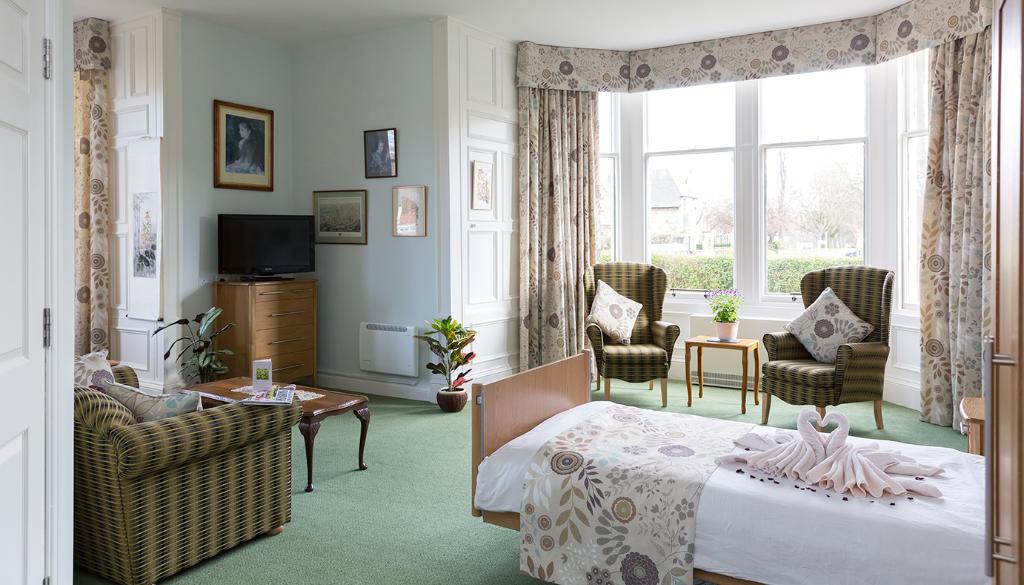
Other facilities might also interest your loved one, such as a hair salon or bar. The decor and overall atmosphere can also make a difference to whether a person feels at ease and at home.

Activities Programme
Ask to see the home’s activities and entertainment schedule and if they listen to residents’ suggestions. A varied programme can help people living with dementia continue familiar hobbies and try something new, whether it’s music, baking, arts & crafts, light exercise or visits from local performers.
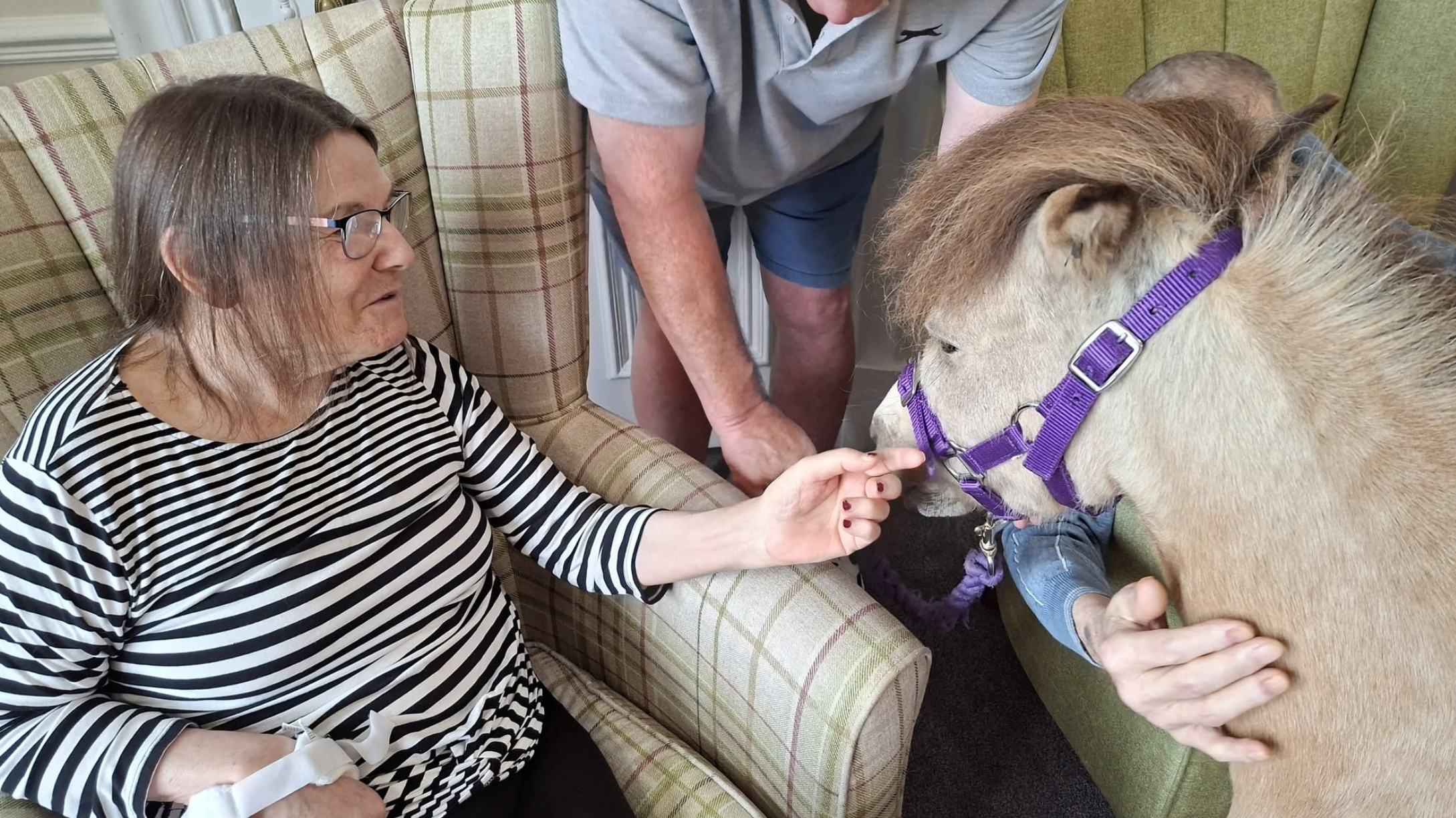
Some homes also offer therapeutic sessions such as reminiscence activities or pet therapy. Reminiscence sessions use familiar photographs, music and objects to encourage conversation and connection. Pet therapy can offer comfort and companionship to residents who have always enjoyed being around animals.
What Does a Good Dementia Care Home Look Like?
The most important part of any dementia care home is how staff treat the people who live there.
Good dementia care is person-centred. This means staff take time to understand each resident’s life story, personality, preferences and usual routines. They should tailor support around the individual and prioritise resident’s dignity and wellbeing at all times.
Observe how staff speak to residents. They should be patient, compassionate and respectful, even when someone feels confused or unsettled. They should explain what they are doing, give people time to respond and involve residents in everyday decisions.
A good home will also support independence wherever possible. This could mean helping someone choose their own clothes, encouraging them to make a drink or providing adapted equipment so they can continue doing things safely.
Care should nurture the whole person. Alongside physical health, staff should pay attention to emotional wellbeing, relationships, interests and personal identity. Your loved one should be recognised as an individual with a lifetime of experiences, not defined by their diagnosis.
Visiting a Care Home
The best way to understand whether a home feels right is to visit it.
A website or brochure can tell you about facilities, but an in-person visit helps you experience the atmosphere. Notice whether residents appear comfortable and whether staff know them by name. Look at how people spend their time and whether there is a natural sense of warmth between staff and residents.
Where possible, speak to residents and their relatives about their experiences. Ask what they value about the home and how staff respond when they raise a concern.
Have Your Questions Answered
Take time to ask questions during your visit. You might ask how care plans are created, how often they are reviewed and how families are kept informed. It is also helpful to ask how staff support residents who feel anxious, how meals are adapted to personal preferences and what happens if someone’s health needs change.
Ask about visiting policies too. Find out whether visits need to be arranged in advance, whether there are set visiting hours and how the home helps families stay involved. A supportive care home should recognise the important role that friends and relatives continue to play.

How To Find a Dementia Care Home
There are several ways to find care homes in Edinburgh. Your loved one’s GP, social worker or local authority may be able to suggest suitable options based on their care needs.
Online comparison websites such as carehome.co.uk and Lottie can also help you begin your search. These platforms allow you to compare homes by location, care type, facilities and availability. Many listings include photographs, Care Inspectorate ratings and reviews from residents’ families, which can help you create a shortlist before arranging visits.
Remember, you should always keep your loved one involved in the decision making process. This will likely help them feel involved, in control and less anxious about this difficult transition.
St Margaret’s Dementia Care Home in Edinburgh
At St Margaret's Care Home, we understand that choosing a dementia care home in Edinburgh is a hugely personal decision. Our team takes time to get to know each resident, providing individual support in a warm, comfortable setting, with care that adapts as needs change. Above all, we aim to create a home where each person feels respected, supported and understood.
To learn more about life at St Margaret’s, please arrange a home visit to meet our friendly team. We can’t wait to meet you.