

If you’re considering respite care in Edinburgh for your loved one, you may find yourself overwhelmed by the different types of care and processes involved. That’s why we’ve put together this simple guide, to help you understand how to get the support your family needs.
What is Respite Care?
Respite care is a type of short-term, temporary care designed to step in and replace a person’s regular care for a set period of time. It’s there to provide continuity and reassurance when usual arrangements aren’t possible, helping both the individual receiving care and their usual carer feel supported.
There are many types of respite care, and just as many reasons families may choose to arrange it. Most commonly, it’s used when a regular carer is unable to provide care, whether due to burnout, a holiday or illness. However, respite care can also be especially helpful following an accident, after a hospital discharge or while someone is recovering from surgery. In some cases, it’s arranged simply because a carer needs a well-earned break, or because more specialist care is temporarily required.
The level of support can vary widely depending on individual needs. Respite care might involve a short stay in a residential care home, a visiting carer providing companionship or more comprehensive, 24-hour nursing care. This flexibility means it can be tailored to suit both simple and more complex situations, offering peace of mind at every stage.
How long is respite care?
There’s no fixed length of time for respite care, as it depends entirely on the needs and circumstances of the person receiving support. Some people may only need a few hours of help, while others might benefit from care over several weeks or even months.
In Edinburgh, many care homes set a minimum stay for respite guests to help them settle in comfortably and make the most of their time. For example, St Margaret’s Care Home has a minimum stay of two weeks. This approach helps ensure that respite care is not only practical, but also a positive and restorative experience for everyone involved.
Types of Respite Care
The first step in arranging respite care for yourself or a loved one is understanding which type of support will suit your situation best. The right option will depend on why you’re looking for care, how much support is needed, and what will feel most comfortable and reassuring for everyone involved.
Day Centres
Day centres are often run by charities or local councils and provide care for either a full or half day. They usually offer a low level of support, such as help with personal care, mobility and general day-to-day assistance. In some cases, they can also support with medication administration if needed.
The main focus is on keeping the person safe, engaged with stimulating activities, and supported while their regular carer takes some time out, whether that’s to work, rest, practise self-care or run errands. Many families choose to book day centres as a regular arrangement, making them a great option if you need a consistent weekly break.
At-Home Respite Care and Befriending Services
At-home respite care can be tailored in both length and level of support, depending on your loved one’s needs. As the name suggests, a carer visits the person in their own home for an agreed period of time. This can be especially helpful for someone who lives alone or doesn’t have family nearby.
Care at home can include personal care, some clinical support (where appropriate), help with housekeeping, preparing meals and assistance with moving around the home or even getting out and about. It’s designed to support independence while ensuring help is always at hand, and can be arranged as often or for as long as needed.
Befriending services are slightly different. While they also involve someone visiting the home (or sometimes offering support over the phone), they are typically run by charities and do not provide personal care. Instead, their focus is on companionship, helping to reduce feelings of loneliness and isolation through conversation and regular social contact.
Care Home Respite Care
Respite care in a care home allows guests to benefit from the same facilities and support as full-time residents. This includes access to 24-hour residential, nursing or dementia care, along with structured activities and personalised care plans tailored to the individual.
This level of round-the-clock support can be particularly helpful for longer periods of respite, such as after a hospital discharge, while recovering from illness or when a regular carer is away on holiday.
Care homes also provide a safe, welcoming environment with opportunities for social interaction, which can help to reduce isolation, especially for those who usually live alone. For families, it offers valuable peace of mind knowing that professional support is always available, allowing everyone to rest and return to daily life feeling refreshed and reassured.


How to Get Respite Care
Arranging respite care in Edinburgh might feel like a big step, but there is plenty of support available to guide you through the process and help you make the right choice.
The best place to start is by requesting a carer’s assessment from your local council. This involves a face-to-face conversation about your role as a carer, your wellbeing and the kind of support that would help you most. In some cases, respite care may be arranged as a result of this assessment, or you may be signposted to trusted local services that can provide the support you need.
If you’re hoping to access council-funded respite care, you’ll also need a means test for the person you care for. This looks at your finances and is free following a carers assessment or needs assessment for the person you’re caring for.
It’s also important to explore local services yourself. Taking the time to research and choose a service you feel comfortable help you feel prepared and secure with your decision. You can look at verified reviews on websites such as carehome.co.uk for care homes, as well as reports from the Care Inspectorate, the independent body that evaluates all care services in Scotland. Some services are privately run, while others are arranged through the council, so it’s worth checking both options.
You don’t have to navigate this alone. Your local carer centre can offer valuable advice, guidance, and emotional support throughout the process.
Who pays for respite care in Edinburgh?
Funding for respite care can come from a few different sources. Following a carer’s assessment and a financial (means) test, your local council may contribute towards the cost. Depending on your circumstances, you might be asked to pay for part of the care yourself.
There are also charities and organisations that offer grants to help carers take a break and look after their own physical and mental wellbeing. These can sometimes be used to fund respite care, activities or additional support. One example is the Short Breaks Fund.
It’s worth keeping in mind that the length and type of respite care you arrange could affect any carer-related benefits you receive. For example, your eligibility for Carer Support Payment may change depending on your situation. The rules can be complex, so it’s a good idea to seek advice from an expert organisation such as Citizens Advice Scotland, who can help you understand your options and make informed decisions.

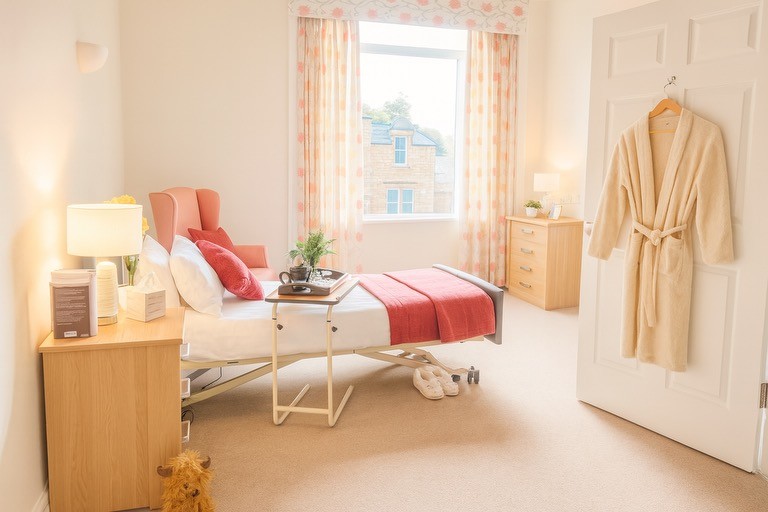
Respite Care at St Margaret’s Care Home
At St Margaret’s Care Home in Edinburgh, we take great pride in offering exceptional respite care that feels both supportive and reassuring from the moment you arrive. Our compassionate team takes the time to get to know each guest, creating personalised care plans tailored to individual needs, preferences and routines.
As a top-rated care home in Edinburgh, we are committed to providing a warm, welcoming environment where both guests and their families can feel confident that they are in safe, caring hands, allowing everyone to rest, recharge, and feel truly supported. Give us a call today to chat to our care experts about how we can support you and your family.