As we age, it’s likely that all of us will begin to struggle with our mobility at some point. This is a natural part of aging, but can be expedited by genetic factors, medical conditions or accidents. If you’re considering moving into a residential care home but are worried about your mobility worsening, keep in mind that this is exactly what the home is here for; to support you to live as comfortably and independently as possible. In this blog, we’ll reassure you with ways both you and care staff can promote great mobility, and what your options are when moving around becomes more difficult.
Preventing Mobility Issues in a Care Home
When choosing a care home, it’s a good idea to visit the home in-person and ask staff how they keep residents safe and support their mobility. Here are some things to look out for:
A Safe, Clutter Free Environment
A nasty fall is the fastest way that a person’s mobility can deteriorate, which is why care homes should be specially designed to prevent these. Many care homes are built for purpose, or refurbished to include wide corridors and doorways, smooth and flat floors and hand rails in helpful places. Easy-to-open (or propped open) doors and a secure garden with flat pathways can also make everyday routines and moving around much safer. Regular seating can also make it easier for care home residents to navigate the building on their own, potentially even deferring the need to use a walking aid.
Round The Clock Monitoring
When you’re choosing a care home, ask about staff ratios. It’s also helpful to stay in the home for a while and observe how attentive and staff are. This is important as the reassurance of help being accessible when needed can give you the confidence to stay independent for longer. The care home team should be there when you need them, without intervening unnecessarily.
Physical Activities
Staying active is extremely important at any age, and residential care homes should offer plenty of opportunities for movement. Staying fit and strengthening muscles is the best way to stay mobile, but it can also be fun and social.
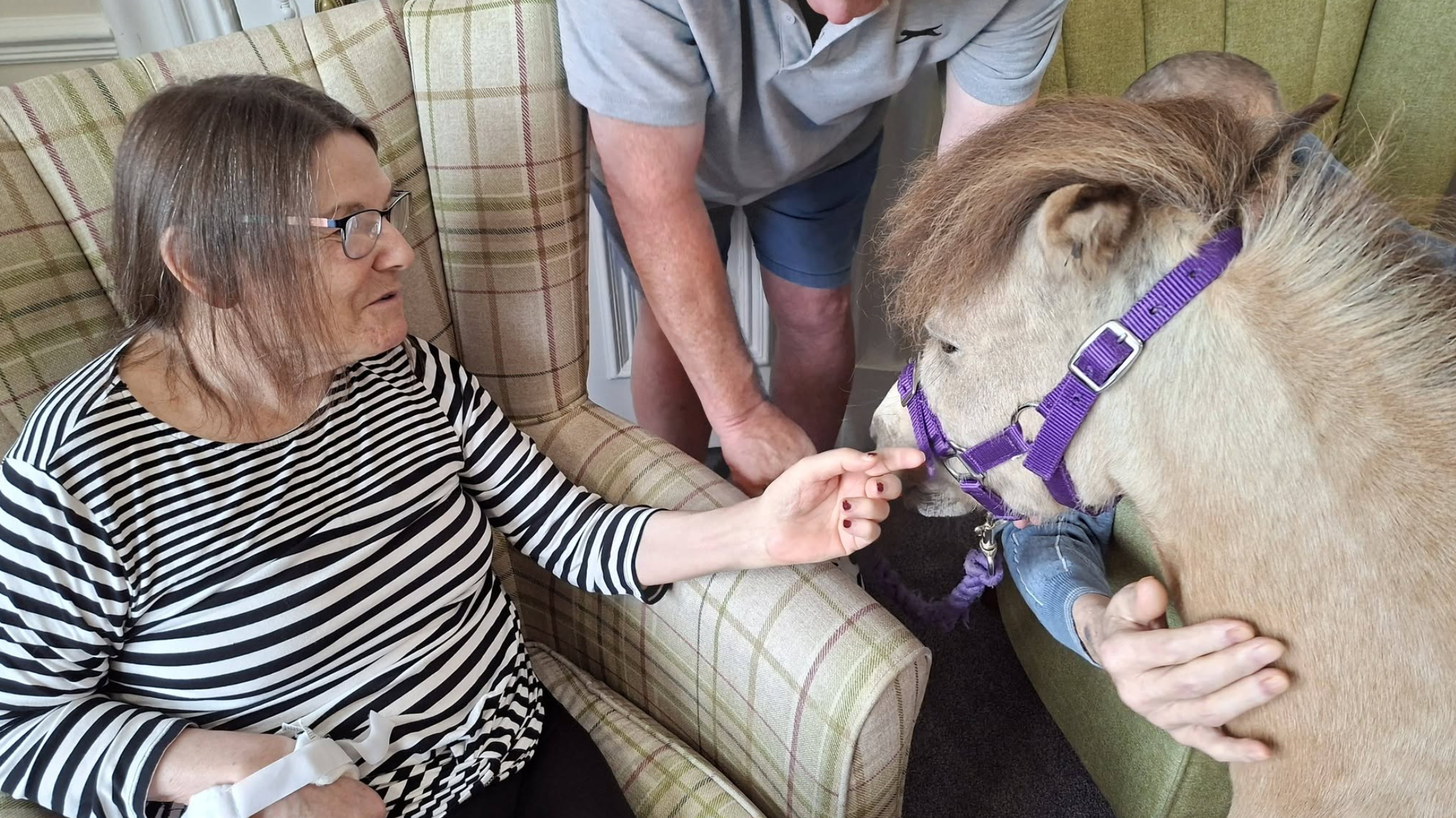
Most care homes offer a regular activities programme that is designed to encourage movement in an engaging way, so you don’t even feel like you’re exercising. Some gently movement activities can include a seated exercise class, dancing to your favourite music with friends and family, a friendly bowls competition or even just a calming stroll through the garden. A little exercise every day is the best way to keep your body active and your mobility in check. Regular movement also helps prevent falls and can boost your mental health.
Promoting Independence
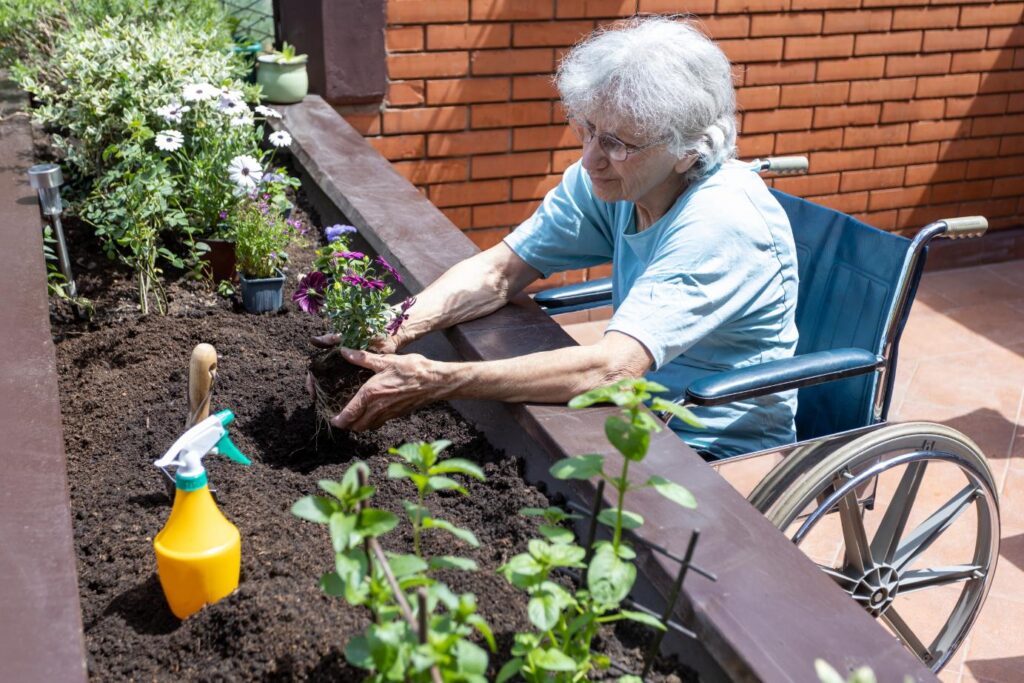
All of the methods we have discussed so far are designed to promote independence, which is a core value for many care homes. It can feel daunting to think about relying on other people to move around, but a great care home will never make you feel helpless or like a burden. Compassionate care staff are trained to only intervene when you ask for help or is vital for your safety, and will encourage you to do things for yourself whenever possible.
What If My Care Needs Change While I’m in a Care Home?
Sometimes it’s inevitable that our care needs will change, but if you’re living in a great residential care home, you’re in the best possible place. With a combination of factors such as attentive staff, a personalised care plan and a continuum of care, your life can be dictated by what you can do, rather than what you can’t. Let’s look into some measures that are put in place to support you if your mobility worsens in a residential care home.
Personalised Care Plans
Before you move into a residential care home, you and your loved ones will sit down with a care expert to create a personalised care plan. This plan encapsulates everything you need and want from your care, from your basic requirements to your preferences, interests and daily routines. Staff will get to know you personally, ensuring you are always as happy and as comfortable as possible.
Your bespoke care plan will be reviewed and updated on a regular basis, as well as if any changes occur in your health or preferences. Therefore, if your mobility worsens, your care plan will be updated to reflect this and your loved ones will stay closely informed. Your routines and hobbies can stay the same, and the friendly care home team will be aware of when or where you may need or want extra support.
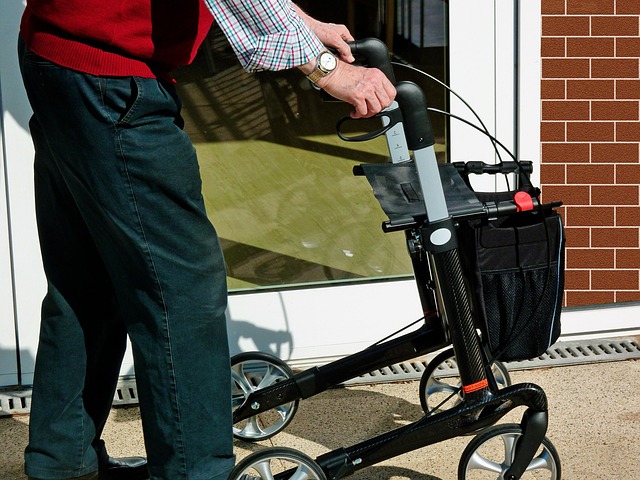
Walking aids and equipment such as a profiling bed can be instrumental in maintaining your independence as your mobility changes, and staff will be on-hand for emotional support too, every step of the way.

Continuum of Care
A continuum of care ensures a seamless transition between care services, often aided by a personalised care plan. It requires detailed communication between your care home and external healthcare providers, as well as supporting transition into a different care type if you eventually need it. This can be extremely convenient if your mobility worsens or other health needs change or increase.
Dual-Registered care homes are homes that offer multiple types of care, such as residential care, nursing care and dementia care. This means that if you are receiving residential care and later require nursing care, you can avoid a stressful move at an already emotional time. Even as you require more support, you can stay in the same room you have settled into and keep your routines. You can still enjoy the same activities with the fellow residents you have made friends with, and the care staff who you have formed a close relationship with will still be there to support and advocate for you.
Choosing a dual-registered home, or one that is ready to support your anticipated needs, can offer the ultimate reassurance that if anything changes, your physical and emotional wellbeing will be nurtured.
Comprehensive Support
As we have discussed, choosing a care home that will support your independence wherever possible can help you feel safe and comfortable, even as your mobility changes. Many residential homes offer a range of inclusive and engaging facilities that every resident can enjoy, regardless of their care needs.
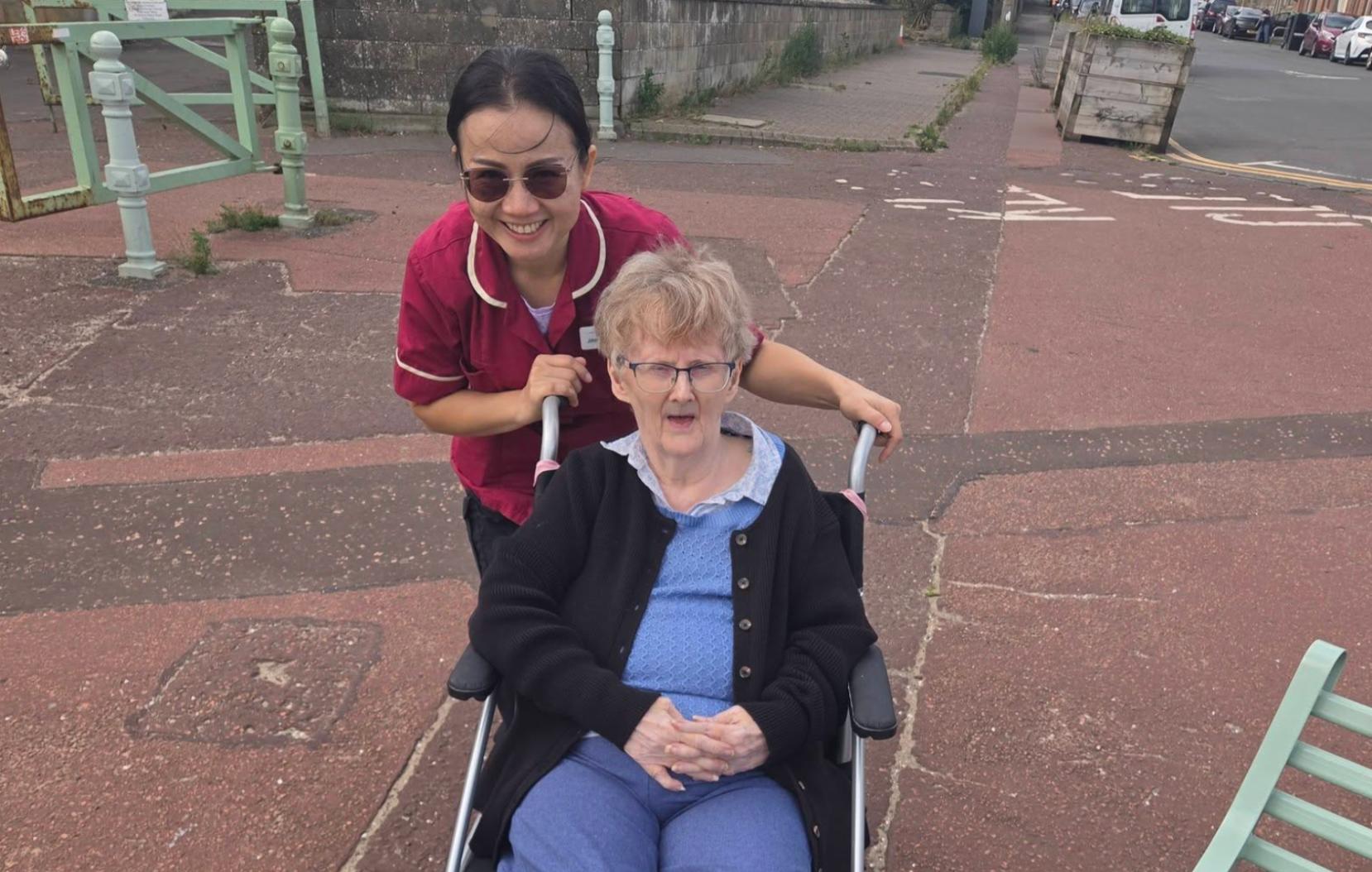
Private, accessible transport such as a minibus can help residents stay connected to their community, and continue to enjoy life outside of the home. Furthermore, staff should ensure that all activities can be adapted to be enjoyed by any resident, meaning that no one feels left out or frustrated.
A thoughtfully-designed environment that can help prevent falls can also support those with reduced mobility to stay independent and free. Overall, a great care home will support your physical and emotional health through whatever changes you may experience in life.
Supporting You at St Margaret’s Care Home in Edinburgh
Here at St Margaret's Care Home in Edinburgh, we are proud to offer a continuum of care that supports both our residents and their families through their entire journey. Our compassionate team truly gets to know each and every resident to tailor their support and create their ideal lifestyle. We would love to show you around our wonderful home, and discuss what you’re looking for in a care home. Please arrange a tour today to meet our care experts and find out how we can support you.